
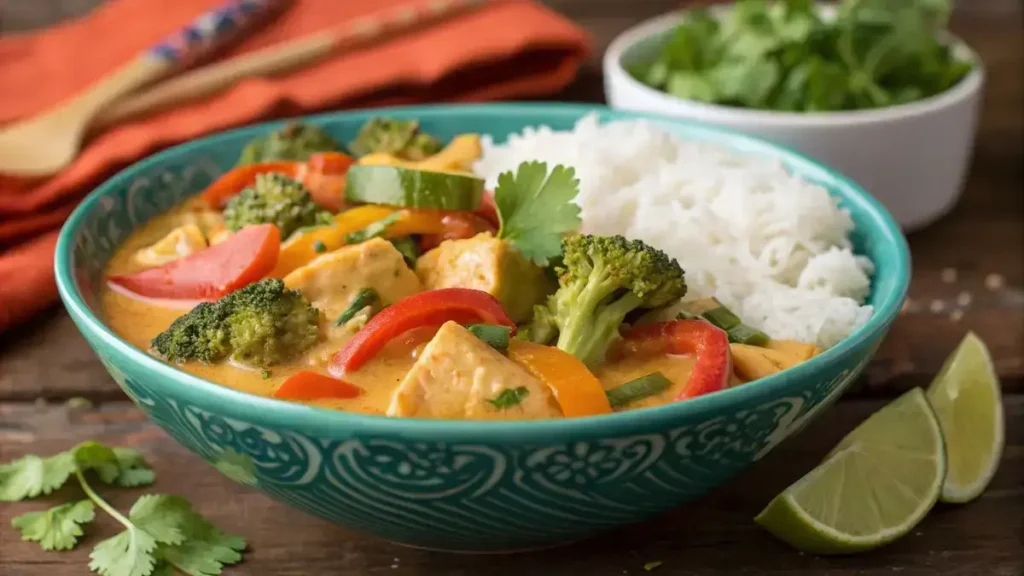
Thai coconut curry brings the energy of a sunlit Bangkok market straight to your bowl, with creamy coconut milk blended with bold chili paste, fragrant lemongrass, and bright lime. Tender chicken or tofu absorbs the rich sauce, while colorful bell peppers and soft carrots add both sweetness and texture. Gentle notes of ginger and garlic deepen the flavor, finished with fresh basil for a burst of herbal freshness. Easy to make and full of warmth, this comforting curry turns any weeknight dinner into a flavorful escape worth sharing.
Table of Contents
Why You’ll Love This thai coconut curry
- It’s a delightful blend of creamy coconut milk and vibrant spices.
- Quick and easy to prepare, perfect for busy weeknights.
- Customizable with your favorite veggies and proteins.
- Brings a taste of Thailand right to your kitchen.
- Comforting and satisfying, it’s a hug in a bowl!
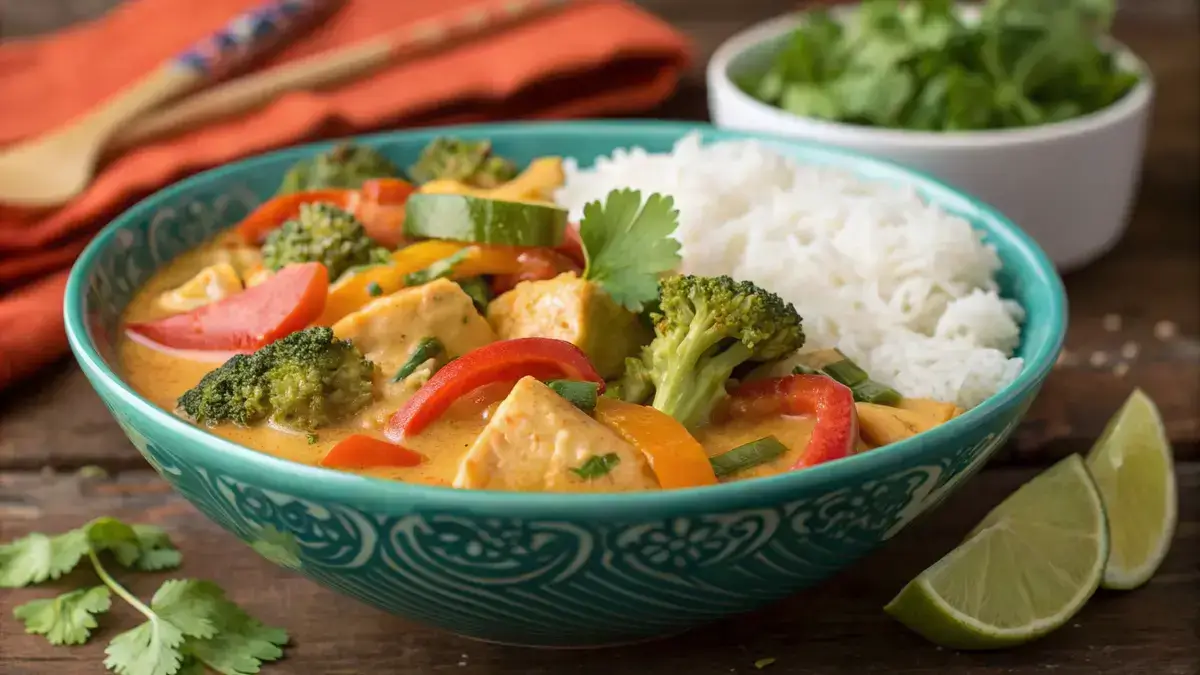
thai coconut curry
Ingredients
Equipment
Method
- Step 1: Heat the Oil – Heat oil in a large pan over medium heat.
- Step 2: Cook the Onion – Add sliced onion and cook until translucent.
- Step 3: Add Garlic and Ginger – Stir in garlic and ginger; cook for 30 seconds until fragrant.
- Step 4: Incorporate Red Curry Paste – Add red curry paste and cook for 1–2 minutes, stirring constantly.
- Step 5: Pour in Coconut Milk and Broth – Pour in coconut milk and broth; stir to combine.
- Step 6: Add Protein – Add your choice of protein and simmer for 5 minutes.
- Step 7: Add Vegetables – Add bell pepper, broccoli, and carrot; cook until vegetables are tender.
- Step 8: Season the Curry – Stir in fish sauce, brown sugar, and lime juice; adjust seasoning as needed.
- Step 9: Serve and Garnish – Serve over jasmine rice and garnish with cilantro.
Notes
| Nutrient | Amount per Serving |
|---|---|
| Calories | 350 |
| Fat | 20g |
| Protein | 15g |
| Carbs | 30g |
Ingredients
Get ready to immerse yourself in the rich flavors of this delightful Thai Coconut Curry! Here’s what you’ll need to whip up this creamy, spicy dish.
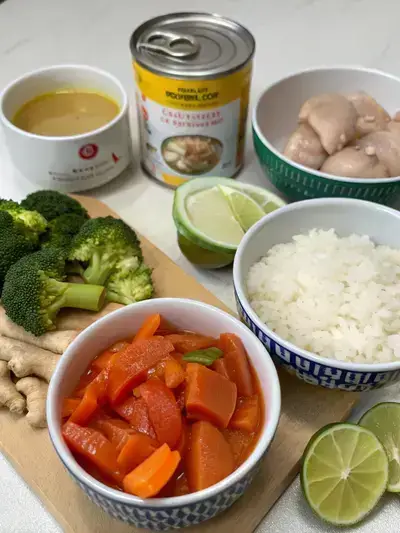
- 1 tbsp vegetable oil – for sautéing
- 1 onion – sliced
- 2 cloves garlic – minced
- 1 tbsp fresh ginger – grated
- 2–3 tbsp red curry paste – adjust for spice level
- 1 can (14 oz) coconut milk – creamy base
- 1 cup chicken or vegetable broth – for added depth
- 1 bell pepper – sliced
- 1 cup broccoli florets – for crunch
- 1 medium carrot – sliced
- 8 oz protein of choice – chicken, shrimp, or tofu
- 2 tbsp fish sauce or soy sauce – for umami flavor
- 1 tbsp brown sugar – balances flavors
- juice of 1 lime – adds freshness
- fresh cilantro – for garnish
- cooked jasmine rice – for serving
How to Make Thai Coconut Curry
This delightful Thai coconut curry is not only creamy and spicy but also incredibly easy to make! With a preparation time of about 15 minutes and a cooking time of 20 minutes, you’ll have a delicious meal ready in no time. If you let it rest for a few minutes before serving, the flavors will meld beautifully!
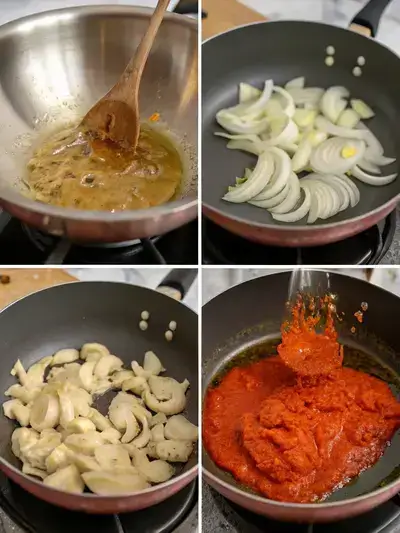
Step 1: Heat the Oil
Heat oil in a large pan over medium heat.
Step 2: Cook the Onion
Add sliced onion and cook until translucent.
Step 3: Add Garlic and Ginger
Stir in garlic and ginger; cook for 30 seconds until fragrant.
Step 4: Incorporate Red Curry Paste
Add red curry paste and cook for 1–2 minutes, stirring constantly.
Step 5: Pour in Coconut Milk and Broth
Pour in coconut milk and broth; stir to combine.
Step 6: Add Protein
Add your choice of protein and simmer for 5 minutes.
Step 7: Add Vegetables
Add bell pepper, broccoli, and carrot; cook until vegetables are tender.
Step 8: Season the Curry
Stir in fish sauce, brown sugar, and lime juice; adjust seasoning as needed.
Step 9: Serve and Garnish
Serve over jasmine rice and garnish with cilantro.
Recipe Snapshot
| Feature | Details |
|---|---|
| Category | Main Course |
| Cuisine | Thai |
| Prep Time | 15 minutes |
| Cook Time | 20 minutes |
| Extra Time | 5 minutes (resting) |
| Total Time | 40 minutes |
| Dietary | Contains protein |
| Serves | 4 |
| Best Served | Over jasmine rice |
Pro Tips for Making Thai Coconut Curry
- Choose full-fat coconut milk for a creamier texture.
- Adjust the spice level by adding more or less curry paste.
- Incorporate fresh herbs like basil or cilantro for vibrant flavor.
- Let the curry simmer longer for deeper flavors.
- Serve with jasmine rice to soak up the delicious sauce.
How to Serve this thai coconut curry
- Serve over fluffy jasmine rice for a classic pairing.
- Pair with quinoa for a protein-packed twist.
- Top with fresh cilantro and lime wedges for a zesty finish.
- Enjoy with crispy spring rolls or vegetable dumplings on the side.
- Serve in a bowl with a sprinkle of crushed peanuts for added crunch.
- Accompany with a refreshing cucumber salad to balance the spice.
Make Ahead and Storage
Storing and enjoying your Thai coconut curry later is easy!
Storing Leftovers
- Let the curry cool to room temperature.
- Transfer to an airtight container.
- Store in the refrigerator for up to 3 days.
- Label the container with the date for easy tracking.
Freezing
- Cool the curry completely before freezing.
- Use freezer-safe containers or bags.
- Leave some space for expansion as it freezes.
- Freeze for up to 3 months for best quality.
Reheating
- Thaw overnight in the refrigerator if frozen.
- Reheat on the stovetop over medium heat.
- Add a splash of coconut milk for creaminess.
- Stir occasionally until heated through.
Explore more easy breakfast recipes, quick lunch ideas, cozy dinner meals, tasty snacks, and delightful dessert.
FAQs
Here’s a helpful FAQ about this recipe:
1. What is Thai coconut curry called?
Thai coconut curry is often referred to as “Kaeng Khiao Wan” or “Green Curry” when made with green curry paste. However, it can also be simply called “Thai curry” when referring to the coconut-based varieties. This dish is beloved for its rich flavors and creamy texture, making it a staple in Thai cuisine.
2. What goes in Thai coconut curry?
Thai coconut curry typically includes a variety of ingredients such as coconut milk, curry paste (like red, green, or yellow), vegetables (like bell peppers, zucchini, and eggplant), and protein options such as chicken, tofu, or shrimp. Fresh herbs like basil and cilantro are often added for garnish, enhancing the dish’s aromatic qualities.
3. What is the difference between Indian coconut curry and Thai coconut curry?
The primary difference lies in the spices and flavor profiles. Thai coconut curry is usually lighter and more aromatic, using fresh herbs and ingredients like lemongrass and kaffir lime leaves. In contrast, Indian coconut curry tends to be richer and spicier, often featuring a blend of ground spices and sometimes yogurt or cream for added richness.
4. What is the tastiest Thai curry?
Taste is subjective, but many people rave about the flavors of Thai green curry for its balance of heat and sweetness. Others might prefer the richness of red curry or the mildness of yellow curry. Ultimately, the tastiest Thai curry is the one that suits your palate, so feel free to experiment with different types to find your favorite!
Final Thoughts
Now that you have the recipe for this delightful Thai coconut curry, it’s time to gather your ingredients and get cooking! Remember, it’s all about the joy of creating something delicious and comforting. So, roll up your sleeves, savor the aromas, and enjoy every creamy, spicy bite. Happy cooking!