

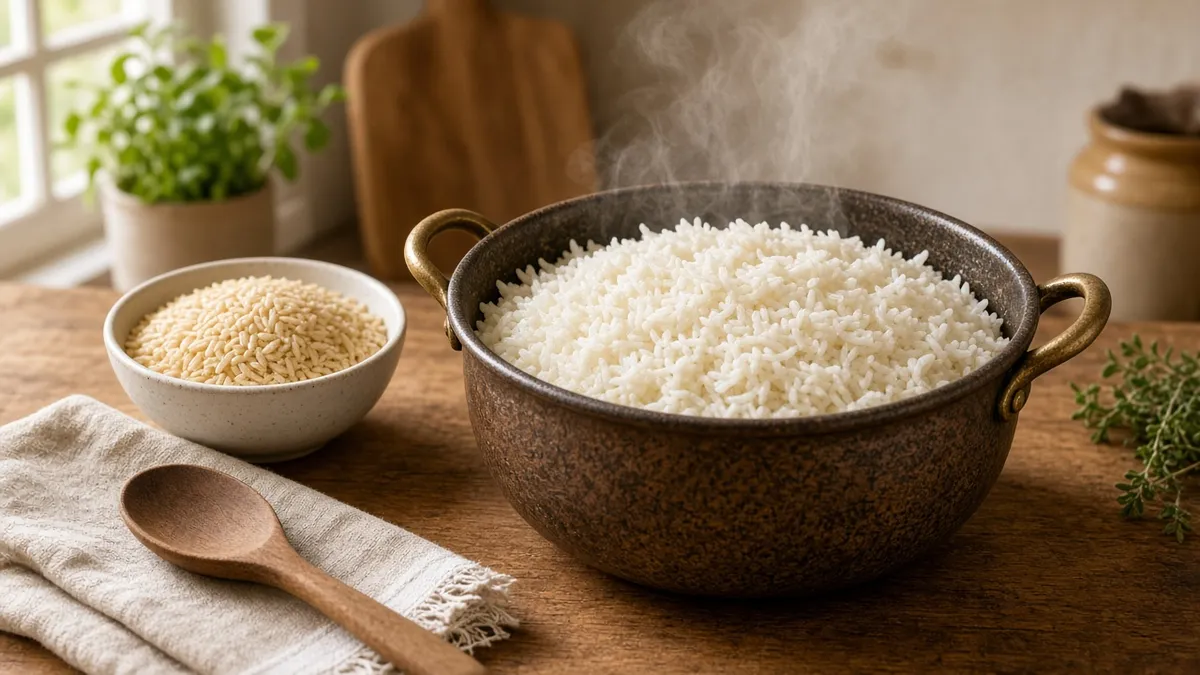
Recipe card
Print / PDFHow to Cook Basmati Rice
Rate this recipe
Be the first to rate
- Prep Time
- 15 mins
- Cook Time
- 25 mins
- Extra Time
- 10 mins
- Total Time
- 40 mins
Ingredients
- 1 cup basmati rice
- 1 1/2 cups cold water
- 1/2 teaspoon fine salt
- 1 teaspoon unsalted butter or olive oil
Equipment
- Fine-mesh strainer — For rinsing and draining the rice
- Medium saucepan — Use one with a snug-fitting lid
- Measuring cups and spoons — For accurate rice and water measurements
- Fork — For gently fluffing the cooked rice
Method
- 1
Place the basmati rice in a fine-mesh strainer.
- 2
Rinse the rice under cold running water until the water runs mostly clear.
- 3
Soak the rice in cold water for 10 minutes.
- 4
Drain the rice thoroughly.
- 5
Add the drained rice, water, salt, and butter to a medium saucepan.
- 6
Bring the mixture to a gentle boil over medium-high heat.
- 7
Cover the saucepan with a snug-fitting lid.
- 8
Reduce the heat to low.
- 9
Simmer the rice for 15 minutes.
- 10
Remove the saucepan from the heat.
- 11
Let the covered rice rest for 10 minutes.
- 12
Fluff the rice gently with a fork.
Notes
| Nutrient | Amount per Serving |
|---|---|
| Calories | 230 |
| Fat | 3g |
| Protein | 4g |
| Carbs | 45g |
Why You'll Love This How To Cook Basmati Rice
- It makes fluffy, fragrant rice with simple pantry ingredients.
- Rinsing and soaking help each grain cook up light and separate.
- The gentle stovetop method is easy enough for a weeknight supper.
- It pairs beautifully with saucy vegetables, roasted chicken, and family curries.
- The resting time gives the rice a tender finish without making it sticky.
Ingredients
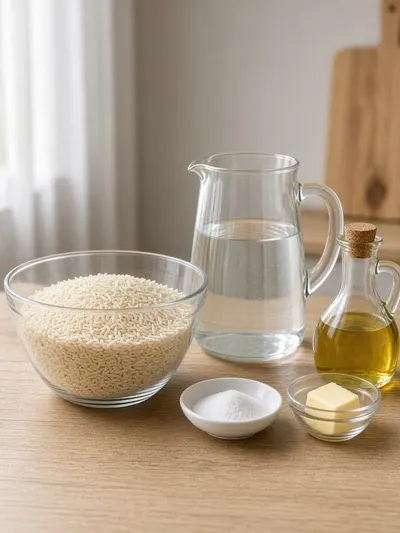
Gather these simple ingredients for a fragrant pot of basmati rice that feels right at home beside your favorite dinner.
- Basmati rice - 1 cup
- Cold water - 1 1/2 cups
- Fine salt - 1/2 teaspoon
- Unsalted butter or olive oil - 1 teaspoon
How to Make How To Cook Basmati Rice
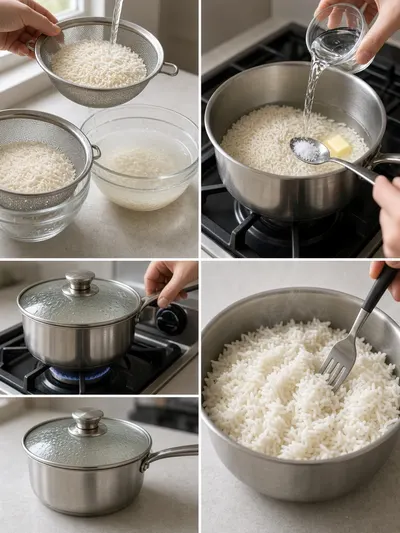
Plan on 15 minutes of prep, 25 minutes of cooking, and an additional 10 minutes of resting time. That little pause at the end helps the grains finish gently and turn beautifully fluffy.
Step 1: Set Up the Strainer
Place the basmati rice in a fine-mesh strainer. A fine mesh keeps the small grains from slipping through while you rinse them.
Step 2: Rinse the Rice
Rinse the rice under cold running water until the water runs mostly clear. This washes away excess surface starch and helps prevent gummy rice.
Step 3: Soak the Rice
Transfer the rinsed rice to a bowl and cover it with cold water. Let it soak for 10 minutes so the grains can begin to hydrate evenly.
Step 4: Drain Thoroughly
Drain the rice thoroughly in the fine-mesh strainer. Let it sit for a moment so extra water does not change the cooking ratio.
Step 5: Combine the Ingredients
Add the drained rice, water, salt, and butter to a medium saucepan. Stir gently once to distribute the salt and butter.
Step 6: Bring to a Boil
Bring the mixture to a gentle boil over medium-high heat. Stay nearby so the water does not boil over.
Step 7: Cover the Pan
Cover the saucepan with a snug-fitting lid. A good seal holds in the steam needed to cook the rice evenly.
Step 8: Lower the Heat
Reduce the heat to low as soon as the pan is covered. The rice should cook gently rather than bubble vigorously.
Step 9: Simmer the Rice
Simmer the rice for 15 minutes. Keep the lid in place during cooking so the steam stays inside the saucepan.
Step 10: Remove from Heat
Remove the saucepan from the heat once the simmering time is complete. Keep the lid on to protect the tender grains.
Step 11: Let the Rice Rest
Let the covered rice rest for 10 minutes. This gives the remaining moisture time to settle through the rice.
Step 12: Fluff and Serve
Fluff the rice gently with a fork, lifting the grains rather than stirring them heavily. Serve it warm alongside your favorite main dish.
Recipe Snapshot
| Feature | Details |
|---|---|
| Category/Course | Dinner / Side dish |
| Cuisine | South Asian |
| Prep Time | 15 minutes |
| Cook Time | 25 minutes |
| Extra Time | 10 minutes resting |
| Total Time | 40 minutes |
| Dietary | Vegetarian |
| Serves | 4 |
| Best Served | Warm with curries, vegetables, or roasted chicken. |
Pro Tips for Making How To Cook Basmati Rice
- Use a saucepan with a snug lid to keep the steam from escaping.
- Rinse until the water is mostly clear, but do not rub the grains too roughly.
- Drain the soaked rice well so the measured water remains balanced.
- Keep the lid closed while the rice simmers and rests.
- Use a fork to fluff the rice gently, lifting from the bottom.
How to Serve How To Cook Basmati Rice
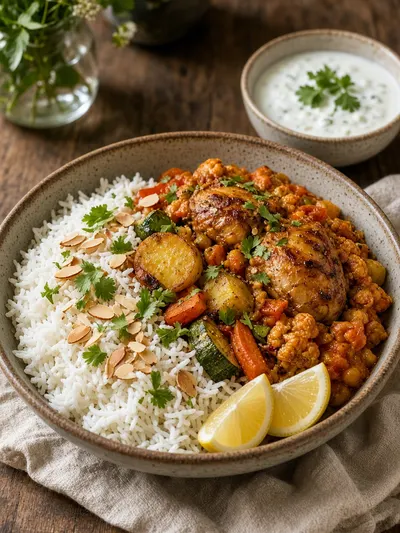
- Serve it beside a cozy vegetable curry or chickpea curry.
- Spoon saucy roasted chicken over the top for a comforting family dinner.
- Add fresh herbs, toasted nuts, or a squeeze of lemon just before serving.
- Pair it with roasted vegetables and a cool yogurt sauce.
Make Ahead and Storage
Storing Leftovers
- Cool leftover rice promptly and place it in a covered container in the refrigerator.
- Use refrigerated rice within 3 to 4 days.
- Store the rice on its own so it stays ready for different meals.
Freezing
- Cool the rice completely before freezing it in an airtight container or freezer-safe bag.
- Freeze in individual portions for convenient meals.
- Use frozen rice within 1 month for the best texture.
Reheating
- Reheat refrigerated or frozen rice until steaming hot throughout.
- Add a small splash of water before reheating to help restore moisture.
- Fluff with a fork before serving and avoid reheating the same portion more than once.
Explore more easy breakfast recipes, quick lunch ideas, cozy dinner meals, tasty snacks, and delightful dessert.
Final Thoughts
Once you know how to cook basmati rice, a simple pot of grains can bring warmth and comfort to so many family meals.
FAQs
Here are a few helpful answers for making tender, fluffy basmati rice at home.
Should I rinse basmati rice before cooking?
Yes. Rinsing removes excess surface starch, which helps the cooked grains stay light and separate.
Why is soaking included in this method?
Soaking for 10 minutes allows the grains to hydrate more evenly and can help create a tender, fluffy texture.
Can I use olive oil instead of butter?
Yes. Olive oil is a simple dairy-free option and adds a gentle savory richness to the rice.
Why should the rice rest after cooking?
Resting the covered rice for 10 minutes allows the remaining steam and moisture to settle, giving the grains a more even texture.
Kitchen notes
Nutrition & sources
Calorie and nutrition figures on this page are estimates meant for general home-cooking guidance. Actual values vary with brands, portion size, and how the recipe is prepared.
Estimates draw on typical ingredient data from public nutrition databases such as the USDA FoodData Central. They are not a substitute for professional medical or dietary advice.
For how recipes are tested and when pages are updated, see How we test recipes. Full legal context lives in our disclaimers and affiliate disclosure.


Comments
Made this recipe? Share how it turned out for your family.
No comments yet — be the first to leave a note.