
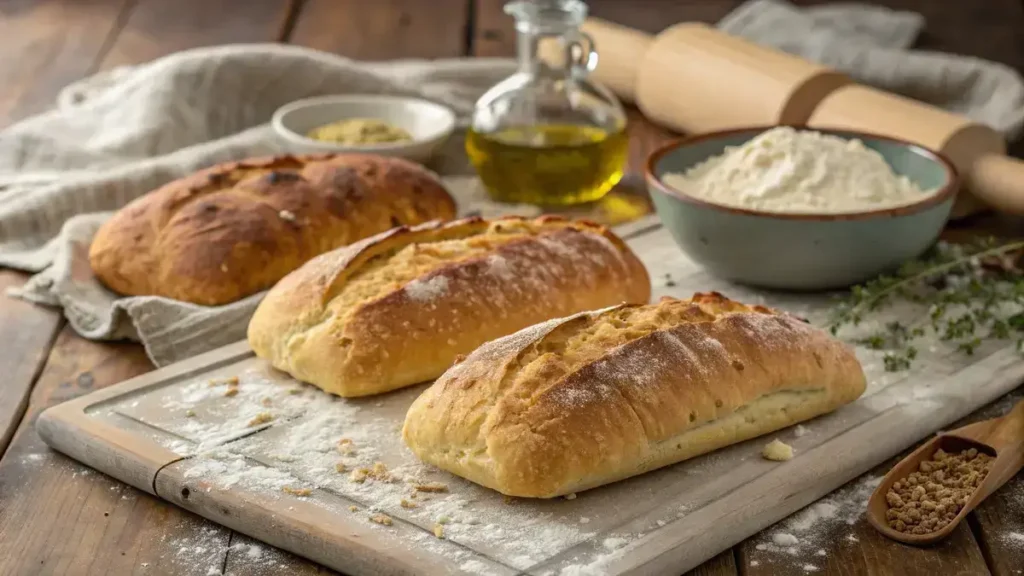
Ciabatta bread is like a warm hug from an Italian Nonna, inviting you with its airy crumb and crackly crust. Flour, water, yeast, and a touch of olive oil come together in this simple dough, slowly proofed to develop deep flavor. A splash of sparkling water replaces wine, creating lively bubbles that lift the loaf into soft, pillowy perfection. Each pull-apart bite highlights rustic charm, perfect for olive tapenade or melted mozzarella. Gather friends, dust your fingers with flour, and enjoy every golden crumb of this homemade delight—a playful take on an Italian classic that brings joy with every slice.
Table of Contents
Why You’ll Love This ciabatta bread
- It’s incredibly easy to make, even for beginners!
- Enjoy a crispy crust and soft, airy interior that’s simply irresistible.
- Perfect for sandwiches, bruschetta, or just dipping in olive oil.
- Made with simple, wholesome ingredients you probably already have.
- Brings the authentic taste of Italy right to your kitchen.
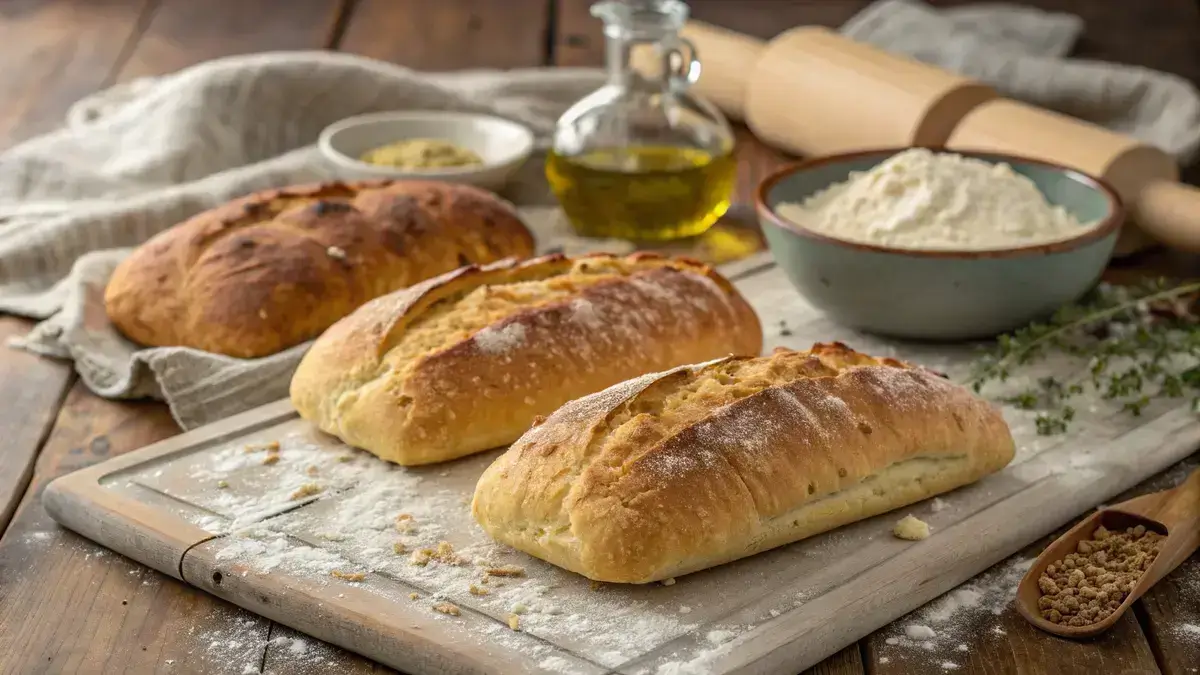
ciabatta bread
Ingredients
Equipment
Method
- In a large bowl, mix together the flour and yeast. Then, add the water and olive oil. Stir until a sticky dough forms.
- Cover the bowl with a clean cloth and let the dough rest for 20 minutes. This helps to develop the gluten.
- Add salt to the dough. Knead it for about 10 minutes until it becomes smooth and elastic. You can do this by hand or with a mixer.
- Place the dough in an oiled bowl, cover it, and let it rise for 1.5 hours. It should double in size.
- Turn the dough onto a floured surface. Divide it into two pieces and shape them into loaves. Place them on a floured baking sheet.
- Cover the loaves and let them proof for another hour. This will give them a nice rise.
- Preheat your oven to 220°C (430°F). Place a baking tray filled with water at the bottom to create steam.
- Bake the loaves for 25–30 minutes until they are golden brown and sound hollow when tapped on the bottom.
- Remove the loaves from the oven and let them cool on a wire rack before slicing. Enjoy your homemade ciabatta!
Notes
| Nutrient | Amount per Serving |
|---|---|
| Calories | 250 |
| Fat | 4g |
| Protein | 8g |
| Carbs | 48g |
Ingredients
Here’s what you’ll need to make delicious ciabatta bread!
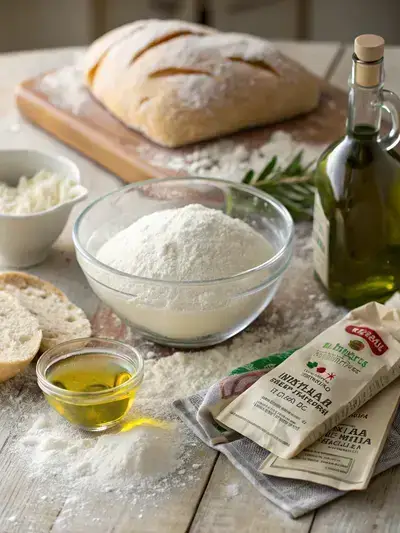
- 500g strong white bread flour – essential for structure
- 10g salt – enhances flavor
- 7g instant yeast – helps the dough rise
- 400ml water – hydrates the dough
- 2 tbsp olive oil – adds richness
How to Make Ciabatta Bread
Making ciabatta bread is a delightful journey into the world of baking. With a preparation time of about 20 minutes, a cooking time of 25–30 minutes, and a custom time of 2.5 hours for resting and rising, you’ll be rewarded with a beautifully rustic loaf that’s perfect for any occasion.
Step 1: Mix Ingredients
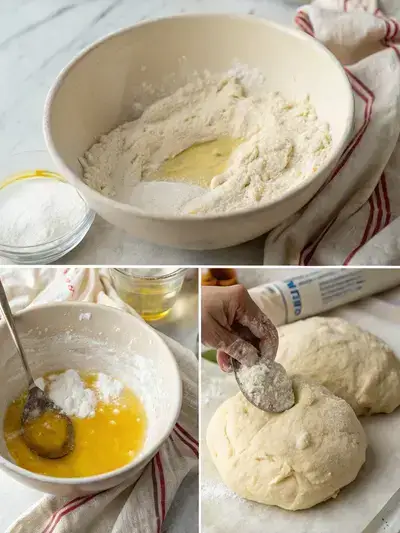
In a large bowl, mix together the flour and yeast. Then, add the water and olive oil. Stir until a sticky dough forms.
Step 2: Rest the Dough
Cover the bowl with a clean cloth and let the dough rest for 20 minutes. This helps to develop the gluten.
Step 3: Add Salt and Knead
Add salt to the dough. Knead it for about 10 minutes until it becomes smooth and elastic. You can do this by hand or with a mixer.
Step 4: First Rise
Place the dough in an oiled bowl, cover it, and let it rise for 1.5 hours. It should double in size.
Step 5: Shape the Loaves
Turn the dough onto a floured surface. Divide it into two pieces and shape them into loaves. Place them on a floured baking sheet.
Step 6: Proof the Loaves
Cover the loaves and let them proof for another hour. This will give them a nice rise.
Step 7: Preheat the Oven
Preheat your oven to 220°C (430°F). Place a baking tray filled with water at the bottom to create steam.
Step 8: Bake the Loaves
Bake the loaves for 25–30 minutes until they are golden brown and sound hollow when tapped on the bottom.
Step 9: Cool and Slice
Remove the loaves from the oven and let them cool on a wire rack before slicing. Enjoy your homemade ciabatta!
Recipe Snapshot
| Feature | Details |
|---|---|
| Category | Bread |
| Cuisine | Italian |
| Prep Time | 20 minutes |
| Cook Time | 30 minutes |
| Extra Time | 150 minutes (resting) |
| Total Time | 200 minutes |
| Dietary | Vegetarian |
| Serves | 2 |
| Best Served | Freshly baked with olive oil |
Pro Tips for Making ciabatta bread
- Use a high-protein flour for a better rise and texture.
- Let the dough rest longer for improved flavor and airiness.
- Preheat your oven with a baking stone for a crispier crust.
- Use steam in the oven for a beautiful, chewy crust.
- Don’t rush the cooling process; let it cool completely before slicing.
How to Serve this ciabatta bread
- Slice it thick and toast for a crunchy breakfast base.
- Pair with fresh tomatoes, basil, and mozzarella for a Caprese sandwich.
- Use as a dipper for olive oil and balsamic vinegar.
- Make a hearty panini with grilled vegetables and hummus.
- Serve alongside soups or stews to soak up the flavors.
- Create a delicious bruschetta topped with avocado and feta.
- Enjoy with a spread of your favorite nut butter and honey.
Make Ahead and Storage
Here’s how to keep your ciabatta bread fresh and delicious:
Storing Leftovers
- Let the bread cool completely before storing.
- Wrap in a clean kitchen towel or place in a paper bag.
- Store at room temperature for up to 2 days.
- Avoid plastic bags to prevent sogginess.
Freezing
- Slice the ciabatta bread before freezing for convenience.
- Wrap each slice in plastic wrap or aluminum foil.
- Place wrapped slices in a freezer-safe bag or container.
- Freeze for up to 3 months for best quality.
Reheating
- Preheat your oven to 375°F (190°C).
- Wrap the bread in aluminum foil to retain moisture.
- Heat for about 10-15 minutes until warmed through.
- For a crispy crust, unwrap for the last 5 minutes of heating.
Explore more easy breakfast recipes, quick lunch ideas, cozy dinner meals, tasty snacks, and delightful dessert.
FAQs
Here’s a helpful FAQ about this recipe:
1. What makes ciabatta different from bread?
Ciabatta bread is distinct due to its unique shape and texture. Unlike many traditional loaves, ciabatta has a rustic, flat shape and a chewy crust, with a soft, open crumb inside. This is achieved through a high hydration dough, which gives it that characteristic airy structure. The use of a biga, a type of pre-ferment, also contributes to its flavor and texture, making it a favorite for those who enjoy artisanal bread.
2. Is ciabatta bread a healthy bread?
Ciabatta bread can be part of a healthy diet when enjoyed in moderation. It is made from simple ingredients like flour, water, yeast, and salt, which means it doesn’t contain preservatives or additives. However, like all bread, it is important to consider portion sizes, especially if you’re watching your carbohydrate intake. Pairing ciabatta with healthy toppings, such as fresh vegetables or lean proteins, can enhance its nutritional value.
3. Is ciabatta bread better than sourdough?
Whether ciabatta is better than sourdough really depends on personal preference! Ciabatta offers a light, airy texture and a crispy crust, while sourdough has a tangy flavor and a denser crumb due to the fermentation process. Both breads have their unique qualities and can be enjoyed in different ways, so it’s worth trying both to see which one you prefer for various meals and occasions.
4. What do you eat ciabatta bread with?
Ciabatta bread is incredibly versatile and pairs well with a variety of foods. It’s perfect for making sandwiches, especially with fresh ingredients like tomatoes, mozzarella, and basil. You can also serve it alongside soups and salads, or use it to soak up sauces and dips. For a delightful snack, try toasting slices and topping them with olive oil, garlic, or your favorite spreads. The possibilities are endless!
Final Thoughts
Making ciabatta bread at home is a delightful adventure! The aroma of freshly baked bread will fill your kitchen, bringing back memories of cozy Italian bakeries. Enjoy the crispy crust and airy interior with your favorite spreads or as a sandwich base. It’s simple, rewarding, and oh-so-satisfying. So roll up your sleeves and let’s bake some magic!